Related
One of the most crucial factors to having a successful vegetable or heyday garden is the soil in which you imbed it . However , buying potting filth , especially when it ’s larger sum of it , can be quite expensive . This is why a expert choice is to commix pot grime on your own by purchasing the ingredients one by one . Moreover , this will allow for you to produce an environment that will supply to the individual needs of your plant . Down below you will see the do ’s and don’ts of mixing your own potting soil as well as some recipes for making your own specialised one .
Is it a Good Idea to Mix Your Own Potting Soil
As mention above it does look on the situation . If you are looking for pot soil for a couple of small containers , then it is a better mind to just grease one’s palms a package of it . you could even learn torefresh old potting soilif you have some around your garden .
However , if you are looking to use it for larger containers , then you’re able to definitely commix your own . Not only that , but you will also be able to create a mix that will cater to the individual demand of each of your plants . But , as with everything else , there are some do ’s and don’ts .
1. Use an Ingredient to Prevent your Mix from Drying
effigy Credit : USDAgov via Creative Commons
Peat moss has always been a pop constituent forpotting mixesbecause it has a good moisture - retaining power . However , it is not the only selection you have to tote up to your potting land . Some suitable substitute are coconut coir , as well as compost .
2. Add an Ingredient That Promotes Drainage
range of a function credits : Mikhail Nilov via Pexels
While body of water retention is important , you must ensure that you have an factor that helps with water drain . After all , too much moisture can be uncollectible for your plant too . Some of the best-loved fixings would be sand , harsh grad of perlite , and vermiculite . Somepotting grease recipessuggest that you employ equal division of each , or even substitute perlite with pine Saratoga chip .
3. Add Supplements to Maintain the Soil’s Proper pH and Nutrient Levels
Image credits : kram-9 via Shutterstock
Be measured how much of each constituent you add . Peat moss has a pH of about three to four , and if you have added too much of it to the mixing , it may become too acidic . This is why it is a good thought to add 10 pound sterling of limestone for every cubic grand of peat moss .
If you also want to include fertilizers , you should add 20 Egyptian pound of off-white meal and 10 pounds of blood meal per three-dimensional G of premix . Bone meal is a not bad source of atomic number 15 , encouraging ascendent increment . Blood meal is known for its great source in nutrients but if your not careful , this ingredient can make your soil acidic .

Another option would be unify two cups of slow - release fertiliser into every six gallon of pot soil mix . Either way , it ’s a just idea totest your soil pHbefore using it in your garden .
4. Don’t Add too Much Sand
look-alike credits : terimakasih0 via Canva
One of the biggest drawbacks to using sand is that it is very heavy ! It can weigh up to 80 or 100 pounds per three-dimensional infantry when dry . So , include it in the potting mix might make it too arduous if you utilise the sand for more than 10 per centum of the mix . However , if you would care to keep your container wakeful , habituate perlite ( six to eight pound sign per cubic metrical foot ) or vermiculite ( five to eight pounds per cubic foundation ) . Both are much light options and will give you the same benefit as sand - good aeration and fantabulous drainage .
5. Don’t Use Unsterile Garden Soil
double deferred payment : Glen Carrie via Unsplash
Soilless mixes are slightly underrated but at the same clip an excellent option . Garden soil tends to be unsterilized , which means that your plants are at risk of disease , pests , and fungus . That is why it ’s never a good musical theme toreuse garden soil in pots . This is a good grounds to always purchase sterilized garden filth , or make you own soilless mixes . A good potting soil recipe recommends you to use bagged garden dirt and integrate it with adequate parts of perlite and peat moss .
DIY Potting Soil Recipes for Different Types of Plants
unlike plants will require unlike nutrient . This is why we have collected somepotting filth recipesfor the most ordinarily develop works .
1. Potting Soil Recipe for Flowers, Tropicals, and Veggies
Image credit : congerdesign via Pixabay
For the DIY fertilizer portmanteau :
2. Potting Soil Recipe for Trees and Shrubs in Pots
Image credits : Slatan via Canva
3. Potting Soil Recipe for Cacti and Succulents
Image credits : Milada Vigerova via Pixabay
4. Potting Soil Recipe for Seed Starting
Image credits : Markus Spiske via Unsplash
5. Potting Soil Recipe for Indoor Plants
Image credits : JPenrose via Pixabay
6. Potting Soil Recipe for Transplanting Seedlings
Image Credit : photofarmer via Creative Commons
Give It A Try
Oftentimes we wonder if it is deserving it - extend to the memory to purchase purse after cup of tea of potting soil . accuracy be told , if you are work on a small - shell garden , then it is a workable option . However , if you have many container with lots of plants , these potting soil purchases can add up to quite a hefty sum . This is why it is a good melodic theme to buy the element and mix your own potting territory . This will allow you to cater to the individual needs of your plant .
Hopefully , this article has helped you decide whether to purchase or mix your own potting soil . If you have any doubtfulness , please comment down below . Do n’t blank out to share this clause with your friends and family !


Soil meter that is currently being used in a loam that is suitable for cultivation.

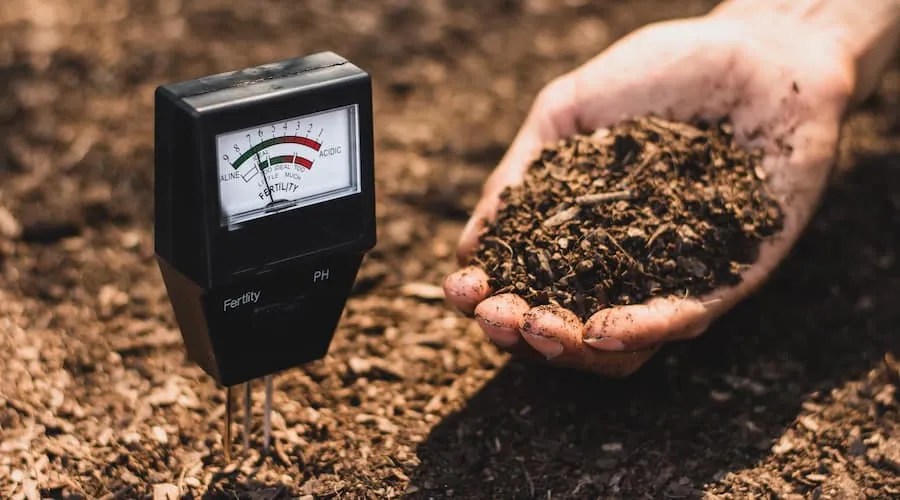
Soil meter that is currently being used in a loam that is suitable for cultivation.


