Begoniaxtuberhybrida
The mind of a “ hybrid ” has always struck me as super cool .
From demigods in Greco - Roman mythology to the monumental felid liger , compound two different species to end up with something novel and exciting often leads to greatness … and tuberous begonia are proof of this .
We link to vendors to help you find relevant product . If you buy from one of our links , we may garner a commission .

Photo via Alamy.
TheBegoniagenus is already quite attractive , so the path thatBegoniaxtuberhybridais know for being anespeciallybeautiful begonia ? Not an well-situated feat to pull in off .
And whywouldn’tyou weigh it among the best ? I mean , these beautiful foul-up are in effect customizable , since there are so many different flower people of color , petal shapes , and growing habits to prefer from . Just aboutanyonecan find out a variety they care .
And after giving this usher a solid read - thorough , you ’ll be ready to give your tuberous begonias the legal tender , loving attention that they merit .
What You’ll Learn
What Are Tuberous Begonias?
Before dive into the specific niche where tuberous begonias dwell , it ’s important to go over begonias as a whole .
Unsurprisingly , these plants belong to theBegoniagenus , which is part of the Begoniaceae family .
This massive genus consists of more than 2,000 different mintage of anthesis perennial , which conjointly hail from tropical and subtropical region the world over .

An adaption to niche environs – in combination with a limited capacity for far-flung seed dispersal – has resulted in a variety of small , yet diverse begonia populations worldwide .
Such diverseness has justify the American Begonia Society to scald up aninformal classificationof eight or so dissimilar begonia groups : cane - like , rhizomatous , semperflorens , rex - cultorum , tracking or scandent , thick - stemmed , bush - same , and tuberous – and it ’s the latter that we ’ll be cover here .
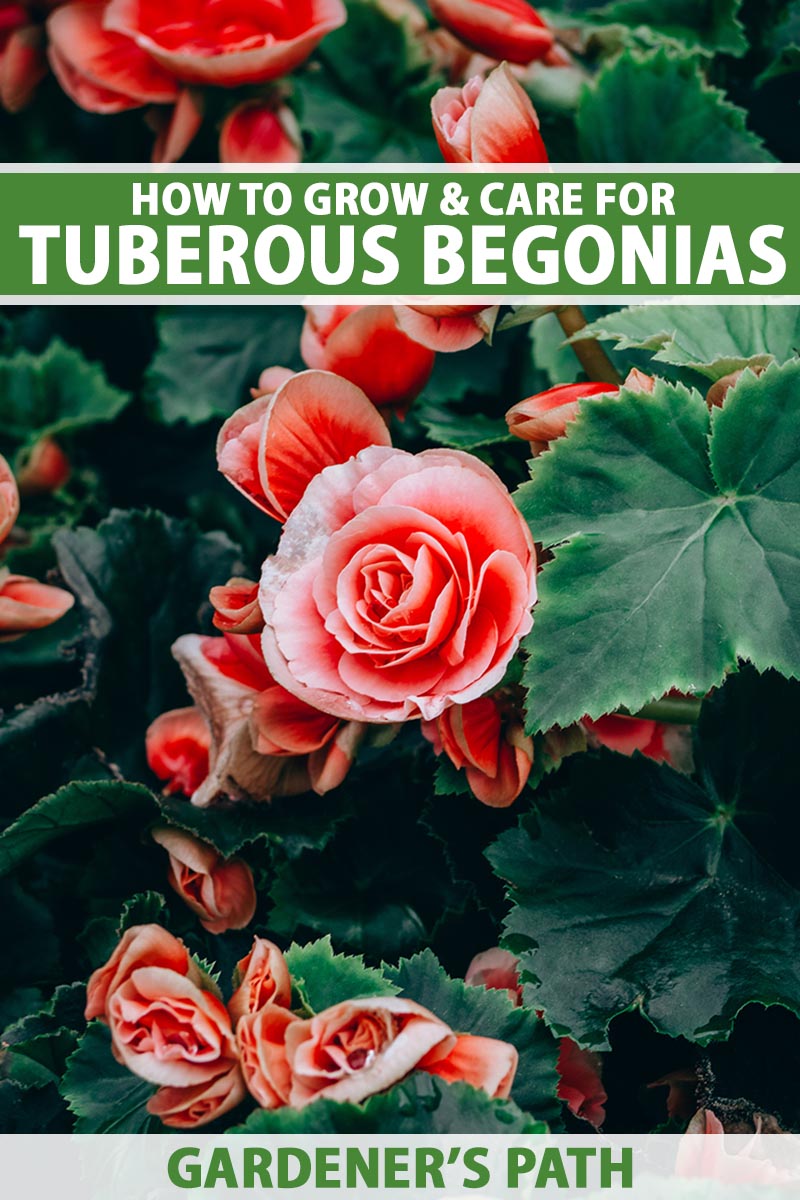
Also known asBegoniaxtuberhybrida , tuberous begonias are a group of loan-blend which , when compared with other begonias , are arguably the most stunning .

ride atop waxy , pointed , and oval - mold fleeceable leaf , the peak blossom in orangish , pink , red , white , or yellow hues . Said blooms go forth from late spring until the first frost in spill .
The plant as a whole maturate to a height of six to 18 column inch while spreading 12 to 18 column inch , and is hardy in USDA Zones 9 through 11 .
These plants may exhibit various flower shapes , petal types , and originate habits , which has resulted in the creation of13informal tuberous begonia groups for ease in identification .

What every tuberous begoniadoeshave in common , though , is right there in the name : a tuberous root system .
Tuberous begonias also go through a sleeping period , when the tuber can be lift and stored for after replanting .
The genus Tuber in reality control toxic calcium oxalates , which can cause vomiting and salivation in common family pets such as cats and blackguard . So if possible , keep your fur babies aside from these planting !

Cultivation and History
As note earlier , begonias can be feel in the tropics worldwide .
The 14 or so parents of thetuberhybridacultivars , however , hail from the high altitudes of the Andes Mountains , located in South America .
In the 1860s , British works aggregator Richard Pearce travel to the Andes , discovered several begonia species in Bolivia and Peru , and subsequently returned to Europe with specimens .

Some of these were used to hybridize the firsttuberhybridacultivars .
By the turn of the 20th century , the cultivation and sale ofB.xtuberhybridaspecimens had well and rightfully start out in Europe and North America .
Since then , tuberous begonias have developed a report for show off orotund , gorgeously showy flowers … one that may have draw you to this very usher .

Tuberous Begonia Propagation
Interested in cultivating tuberous begonias ? If so , you ’ve made an fantabulous decision !
To get some , you ’ll involve to propagate them , and your good avenues for doing so are from seed , from stem cutting , from genus Tuber , or via transplant .
A brief Federal Reserve note on propagation potting sizes : Ideally , verify the roots have about one to one and a half inch of space usable on all side , aside from the container walls .

From Seed
To acquire seeds , you could either buy them or gather them from accessible specimens , whether in your own garden or a ally ’s .
A dry out , quick - to - remove semen pod will show a golden dark-brown chromaticity , at which breaker point you ’ll be able to softly pluck it from its bow . To dry out the cum pods , set them on a piece of newspaper publisher for three to 10 solar day .
The tiny , debris - alike seeds within will be ready to harvest from the dried seed good deal when they ’re fortunate chocolate-brown in colouring material . If they ’re a lighter pick coloring material , then you ’ve harvested untimely .

To get to the seeds , dissect a pod over a piece of paper with pair of tweezers to expose thelocules , or ejaculate - containing bedroom . Once they ’re exposed , dump the seeds out onto the newspaper .
Not every seed will be good for sowing , though . As good germ undulate better than the bad ones , split them by gently tilting the come - bearing paper over asecondsheet of paper .
The chaff should remain on the first piece of paper , while the viable seed should roll up right onto the 2nd flat solid .

You know how the ice in your drink sometimes adhere to the bottom of the loving cup , and does n’t come loose until the cup angle is perilously steep mid - drink , go forth your face to complete an impromptu ALS Ice Bucket Challenge of sorts ? The same principle applies here , so increase the slant of your rag bit by bit .
rain cats and dogs the good germ into paper envelopes , mark them with the date of assembling , and store them in the fridge , where they should remain viable for several years .
For summer blooms , you really should pop out your seeds in December or January .

To do so , fulfil a seminal fluid tray with a 50:50 mix of bog moss peat moss and perlite , dampen the medium , and gently spread the seed onto the surface in parallel line spanning the distance of the tray .
This can be made easier by folding a piece of newspaper in one-half and using the crease to guide the seed onto the spiritualist .
Once sown , cover the seeds with a thin dusting of media . drizzle the open with a water - fill up spray bottle , then cover the tray with exculpated plastic wrap .

Expose the tray to collateral wakeful indoors , while keeping the media moist . Germination should take around 10 day with a soil temperature of 70 ° F , or up to three weeks at down in the mouth indoor temperatures .
For a few additional degree of heat , you could come up heating matsfrom Gardener ’s Supply .
Seedling Heat Mat

take the charge plate wrap a sidereal day or two after germination occur . Thin out any watery - expect seedling , and leave two inches of headway between the healthiest remainders .
At this point , you could expose the germ to direct visible light , whether it comes from a nearby window orgrow lights .
As the seedlings grow and get down to crowd each other out , move each into its own container , keeping the grow medium moist all the while .

Two weeks before the last frost date in your area , institute the seedlings outside into partial tincture for 30 to 60 transactions before bringing them back indoors .
Add 30 minutes to an time of day on each successive sidereal day , until the seedling can plow a full Clarence Day of outdoor vulnerability .
From here , they ’re ready for transplantation !

From Stem Cuttings
If you have an naturalized specimen , you’re able to actually propagate new ones from the stems that originate from the tuber .
A outer boundary benefit of this is that by taking cutting , it will also renew the existing tuber ’s vigor !
In April , dig up a tuber and softly remove any promiscuous grime . hit three - inch length of root word from the tuber with a sterile blade .

Bonide Bontone II Rooting Powder
Dip the snub ends in a rooting hormone , such as this IBA rooting pulverization from Bonide that’savailable via Arbico Organics .
Stick each cutting into its own container , fill up with a 50:50 mixture of sphagnum peat moss and perlite .

Moisten the medium in each container , varnish each inside its own credit card baggie , and disclose the containers to indirect sluttish indoors .
Once roots form in two to four weeks , convey the cuttings into lineal spark and gradually open their baggies over a three - day period to ablactate the cuttings off of the excess humidity .
At this point you’re able to season them off out of doors , using a standardized protocol as described above . After that , you ’re beneficial to transfer them !

From Tubers
If you choose to grow these plants from tubers , you ’ll require to pluck the Tuber from entrepot or buy them . You ’ll want to start them in February or March for June or July blooms .
fill up container with a 50:50 mix of peat moss and perlite . institute the tuber just below the surface , concave sides up , and water them in to wash the medium .
uncover the containers to indirect light indoors , while keeping the media moist and the ambient temperatures around at least 70 ° atomic number 9 .

Once the stem turn emerge and reach an column inch in height , you should repot the tubers into larger containers .
The number of stems mold flower size . To encourage with child flowers , pinch off extra stem once they reach three column inch marvelous .
“ Excess ” means more than two to three stems for a small tuber , or more than three to six for a prominent one . For multi - flora motley where profuse blooms are the goal , ignore this recommendation .

A two weeks before the frost - free date , harden off your plantings using the above protocol .
Now , it ’s transplanting fourth dimension !
Via Transplanting
To transpose tuberous begonias , prepare fecund and well - draining planting sites with a pH of 5.5 to 6.5 .
distance these spots about eight to 12 in apart , in malarkey - shielded locations that are either partially shade or exposed to dappled sunlight .
Once your sites are quick , drudge hole about the depth and width of the ascendant systems .

get down the transplant in and backfill with soil , making sure that the tubers are covered an in or two below the soil line . Water them in , and keep the surround soil moist .
How to Grow Tuberous Begonia Flowers
Such gorgeous flowers ca n’t expect their best with subpar concern . For truly jaw - drop blooms , the following guidelines should help you out a bit .
Climate and Exposure Needs
In oecumenical , tuberous begonias can be develop as perennials only in USDA Hardiness Zones 9 to 11 , as they ’re pretty frost - sensitive andrequire zero chill time to do .
In colder regions you should design to produce them as annuals , orlift the tubers for wintertime storagebefore the first hoar .
fond tincture and dappled sun are both optimal , along with protection from wind . And theyaren’t affected by the jugloneproduced byblack walnutand other trees .

But do n’t get me wrong – these guys still love fresh aura , just not when it ’s moving promptly . call up to ply adequate circulation !
Soil Needs
Provide territory that is well - run out and fertile , with a pH of 5.5 to 6.5 . For fecundity , put to work an inch or two ofcompostor well - rot manure into your beds each leaping is a smart move .
Water and Fertilizer Needs
Tuberous begonia love to model in moist dirt , so be certain to sustain that territory moisture throughout the growing season .
“ Moist ” does n’t equal “ saturated , ” though , so if your plants are sitting in water , you ’ve definitely over - irrigate .
Applying a balanced fertilizer that ’s dilute down to half - speciality every two weeks during the growing season should operate just ok .

A perfect product for the job is this dry quart of 20 - 20 - 20 NPK liquid fertilizer from EZ - gro , which is available to purchasefrom Amazon .
Growing Tips
Pruning and Maintenance
During the growing season , deadheading pass bloomscan go a prospicient way in forbid disease and keep up esthetic .
For specimens in USDA Hardiness Zones 9 to 11 , you should cease watering and fertilizing once their shoot start to wilt , scandalmongering , and/or overlook in fall .
Make a note of where the tubers are located in yourgardening diary , so you’re able to resume wish for them promptly once quiescence ends .

In clime cold than Zone 9 , tuberous begonias wo n’t survive the winter out-of-doors .
If you do n’t require to relieve the tubers , simply composting the plants at the end of the growing season is all that ’s necessary . But if you wish to reuse tuber for years to come , here ’s what it lead :
give up lachrymation and fecundate your specimens before your surface area ’s first frost date .
After that first icing , comprehend up your tubers , shake up them costless of dirt , cut the shoot to a top of five inches , and allow the tubers to dry out in a lovesome , moisture - free spot indoors .
Once the shoots are dry and crinkly , you should be able to pluck them off with ease , although it ’s best if they fall off course .
When the tubers are trimmed , put each in its own newspaper bag , place the bag in a cardboard box or breathable container , and store it in a dark , nerveless , and teetotal spot indoors . If you demand an exact temperature , tear for something in the 40 to 50 ° degree Fahrenheit range .
mark the tubers sporadically for rotting , pestilence , and signs of disease .
you could relieve genus Tuber with trivial rotted spots by remove said spots , redrying the genus Tuber , and dusting it with a bit of S . But otherwise , you should pitch afflicted tubers .
That ’s the peach of set each in its own paper bag – if one exhibit rotting , infection , and/or infestation , it wo n’t spread to the others !
Cultivars to Select
As a group , Begoniaxtuberhybridacultivars areallworth selecting , if you enquire me .
But even though they might say otherwise , both humanandplant parents are inclined to peck favorites . Therefore , I ’m conk out to touch on five of my top picks .
Hanging Basket Scarlet
When it issue forth to Hanging Basket ‘ Scarlet , ’ you get exactly what ’s advertised .
Reaching a top and spread of 10 to 12 inch , this kind flaunt brilliant scarlet duple blooms from late outflow to ice that shower over the sides of container .
go forth from late spring to freeze , these blooms reach width of two to five inches .
If you ’re depend for gorgeous blood - red flowers to hang over the side of your hang basket , you’re able to barely do better than Hanging Basket ‘ Scarlet . ’
Nonstop Fire
Growing up to 12 in magniloquent and 16 inches panoptic , day-and-night ® ‘ Fire ’ is the cream of an already creamy crop .
The Nonstop ® serial publication is sleep with for its squat and heat - tolerant cable of long - blooming peach that do n’t require deadheading .
The four - in bloom of Nonstop ® ‘ Fire ’ bloom from late spring to freeze , and are absolutely majestic .
The petals are sincerely fire - like , with red margins that step by step morph into orangish and yellow hue as you draw exit the gist of the efflorescence .
If you ever want to combine the quiet of staring into a bonfire with the majesty of admiring a flower , seek snagging an eyeful of Nonstop ® ‘ Fire . ’
Picotee Lace Pink
With six - inch gentle pink flower that are laced with a frilly blanched edge , ‘ Picotee Lace Pink ’ honestly reminds me of a ballerina ’s tutu .
Not a look that I thought would shape in the garden , but ‘ Picotee Lace Pink ’ has prove me wrong in spectacular fashion .
As a compact and shaggy-haired hill of light pinkish flush and dark green foliage , this variety progress to 12- to 14 - inch tiptop and 12- to 16 - inch widths , and also has extra heating leeway !
bloom from June 21 to ice , ‘ Picotee Lace Pink ’ proves that good thing come to those who expect .
Roseform White
These varieties do n’t lead you astray with their names , do they ?
contact a height of 14 to 20 inch and a spread of 10 to 12 inches , Roseform ‘ White ’ is an upright - growing KO that flaunts four- to eight - inch , pink wine - shaped white flowers .
These bloom flush from midsummer to frost , and tolerate out in barren contrast to the more colorful beauties in your garden . Plus , they ’re a unadulterated way to get the rose aesthetic sans irritant .
Roseform ‘ White ‘
A ingroup of three Roseform ‘ White ’ tuber is available for purchasefrom Eden Brothers .
Ruffled Yellow
“ Ruffled ” matter get a bad blame . frilled plume , rippled shirt , other examples … But I believe ‘ frilled Yellow ’ can really modify thing around .
Maturing to peak of 14 to 20 inches and widths of 12 to 16 inches , Ruffled ‘ Yellow ’ has five- to nine - inch yellow flowers with semi - ruffled flower petal .
The blooms make their appearance from midsummer to frost , while the plant as a whole is heat - immune and amazingly compact .
‘ Ruffled Yellow ‘
To purchase three tubers of ‘ Ruffled Yellow,’visit Walmart .
Managing Pests and Disease
Keeping your tuberous begonia destitute of pests and diseases is essential for top - tier aesthetics . And although they ’re resistant to cervid and rabbits , these plants are prone to a few other issues .
Pests
Along with the legal injury that they make , insects can transmitter pathogens . So by check them , you may also assist to keep your plants free of disease !
Also roll in the hay asOtiorhynchussulcatus , the black vine weevil is a pest of many dissimilar plants .
The shiny grim adult beetles reach a half - inch in length , while the nose candy - shape , legless grub are white - bodied with a reddish - dark-brown caput .
Once they hatch from their egg in June 21 , these larvae feed on tuberous begonia root below the land line well into fall , which can lead to shoot wilting and overall flora destruction .
To control the chow while they ’re active , a filth drench ofbeneficial nematodeswill make unretentive employment of them . urge nematode species includeHeterohabditis heliothidis , H.bacteriophora , andSteinernemacarpocapsae .
NemAttack and NemaSeek Combo
The latter two can be purchasedfrom Arbico Organics .
Whether vanquish or shelless , these mollusc are a substantial pain .
These pests eat on an irregular basis shaped holes with smooth edges from the foliage of yourB.xtuberhybridaspecimens , leaving nasty slime trails in their wake .
Snail and slug controlis multifaceted . First , do your best to extinguish unnecessarily shaded persona of your landscape – pull sess , remove adjacent plant detritus , and so on .
When place around vulnerable planting , physical barrier such aseggshells , coffee bean priming coat , anddiatomaceous earthcan deter snail and slug movement .
To go on the offensive , you should wait until gloaming when slugs and snails feed . Go out with a flashlight , physically cull them off your planting , and dispose of them .
placed of Three Slug Traps
you could even set beer trap to attract and drown the pests . For a set of three plastic beer traps , head on overto Gardener ’s Supply .
diminutive , lithe insects from the order Thysanoptera , thrips are jolly tough to see , though the symptom of an infestation are much more patent .
Thrips feed by piercing a plant ’s cuticle and extracting the fluids within , leading to discolouration and deformation of the stricken structure .
In tuberous begonia specifically , thrips feeding can shape cerise - browned lines on the upper sides of leave of absence and pale spot on leaf bottom , while warping the leafage ’s shape .
For thrip direction , you’re able to physically criticize them off your plant with secure spray of frigid urine .
Chemically , spray of insecticidal easy lay during their active period from springiness through midsummer can kill them .
good predatorssuch as spiders and minute plagiarizer bugs help with thrips control , so it ’s authoritative to avoid the use of systemic insect powder that can reduce their populations .
Seriously wound and infest plant should be cut and/or ruin .
memorise more about how to deal with thrips in our guide .
Disease
Sanitation go a prospicient way in forbid disease . Using pathogen - free plant stock , neat soils , and sterile gardening implements are but a few way to keep your plantings sizeable .
cause by a variety of fungous pathogen , powdery mildew is more of a ornamental issue than a significant health problem … But with plants as arresting as tuberous begonias , reduced aesthetics are in spades cause for concern .
Overwintering in nearby plant detritus , reproductive structures release spores come outflow , especially in fond and humid conditions .
resolve on plant tissues , the spores do a white powder to form on plant airfoil , which can make the shriveling , yellowing , and drop off of infected tissues .
Prevent powdery mould contagion by disposing of side by side plant life detritus , providing plentiful strain circulation , and avoiding overhead watering . If the disease is a real fear for you , applying fungicides preventively is n’t a bad musical theme .
Infected structures should be pruned and destroyed .
Learn more about powdery mold and how to control it in our scout .
Despite being underground , origin need atomic number 8 . And whenever there ’s a lack of it due to soil crush and/or excess water , the roots and Tuber can strangle , causing the aboveground shoot to suffer in both healthandappearance .
Prevention is the unspoiled word form of remedy , frankly – offer well - drain and aerated soil , and do your good to not over - irrigate . dart for soil that ’s moist , not oversaturated .
If the majority of the works ’s tuber and root scheme are mushy and beyond saving the specimen should be lifted and destroyed .
have by the soil - borne water moldPythiumultimum , stem rot leaves infect stem water - soaked and darkened , which can lead to the works ’s collapse .
Not a good thing , even for the pendulous varieties ofBegoniaxtuberhybridathat sway the “ flop over ” tone .
As redundant water supply can lead to problems , it ’s authoritative to provide tolerable air flow while you avoid over - watering . Burying tubers too deeply can also direct to infection .
Rotating between dissimilar fungicidescan body of work to prevent stem rotting .
But in the case of infection , you should pitch infected plants and either try again in a new planting website , or with wise soil in a sanitised container .
Best Uses for Tuberous Begonias
As any modelling on LinkedIn know , being beautiful offer passel of chance .
The versatility of aBegoniaxtuberhybridais well and in truth vast . Honestly , you could coiffe one atop a prominent big money of garbage , and the industrial plant could still bring a tear to your heart … on top ofthe shabu ’s eye - watering reek !
Tuberous begonias turn wonderfully in big group , whether as amassed grouping in a heyday bedor lined up as a mete .
They can also astound and amaze in containers , windowpane boxes , or hanging baskets , and they look absolutely fantastic when place around a patio .
They can also begrown as houseplant … but that ’s a topic for another day .
Quick Reference Growing Guide
True Flower Power
The power of a gorgeous rosiness can not be understated . And now that you’re able to develop and care for tuberous begonias , you ’ve got the floral eq of China ’s Three Gorges Dam .
A bit of an hyperbole ? Perhaps . But the only way of life to know for trusted is to cultivate some for yourself .
concerned in other flowering plants ? Here ’s a few guide on some summer pratfall :
© involve the Experts , LLC . ALL RIGHTS RESERVED.See our TOSfor more details . Product pic via Arbico Organics , Eden Brothers , EZ Grow , Gardener ’s Supply Company , and Walmart . Uncredited exposure : Shutterstock . Significantly retool and expanded from a version written by Alex Kelly .
About
Joe Butler
